Cart
0
Stop Buying Outdoor Gear Twice
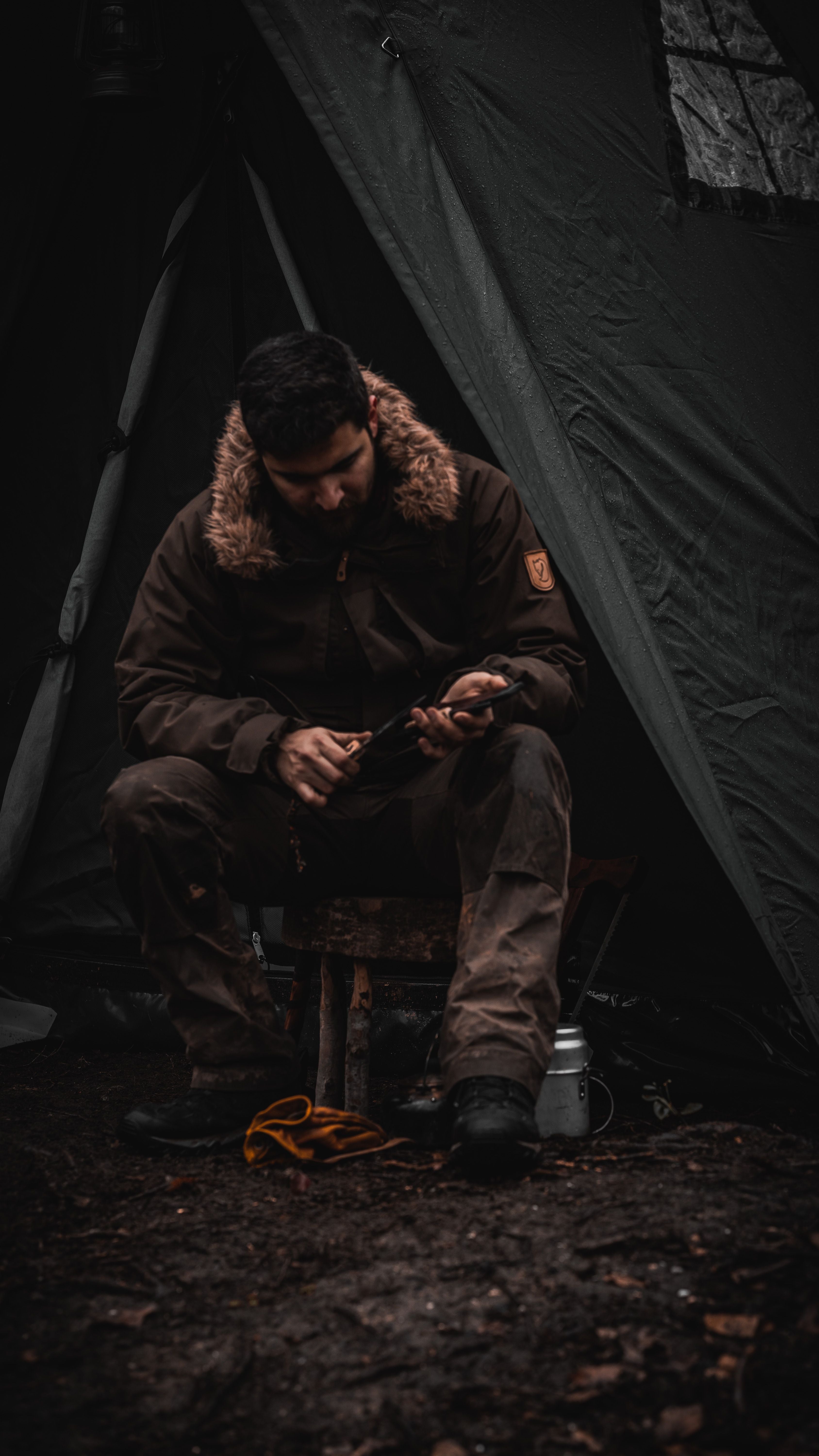
Nothing stings quite like watching a cheap tent collapse during a storm or realizing your backpack seams are giving up halfway through a trail. Outdoor gear should be more than a quick purchase — it should be a reliable companion that survives muddy campsites, mountain hikes, freezing mornings, and years of adventure.
Choosing durable outdoor equipment is a lot like building a campfire. If the foundation is weak, the whole thing falls apart when conditions get tough. But when you start with quality materials, smart design, and dependable craftsmanship, your gear becomes something you can trust season after season.
In this guide, you’ll learn how to identify long-lasting outdoor gear, avoid common buying mistakes, and make smarter investments that save money over time while improving every outdoor experience.
Why Cheap Outdoor Gear Often Costs More
The “Budget Trap” Most Outdoor Beginners Fall Into
At first glance, low-cost gear feels like a smart decision. After all, why spend more when two products look nearly identical online?
Here’s the catch: appearance rarely tells the full story.
Lower-end outdoor gear often uses thinner materials, weaker stitching, and low-quality zippers that wear out quickly under real outdoor conditions. According to a study from the Outdoor Industry Association, outdoor participation continues to grow every year, with consumers increasingly prioritizing quality and durability over disposable products.
As legendary mountaineer Reinhold Messner once said:
“Mountains are not fair or unfair, they are just dangerous.”
Reliable gear matters because outdoor environments are unpredictable.
Practical Tip:
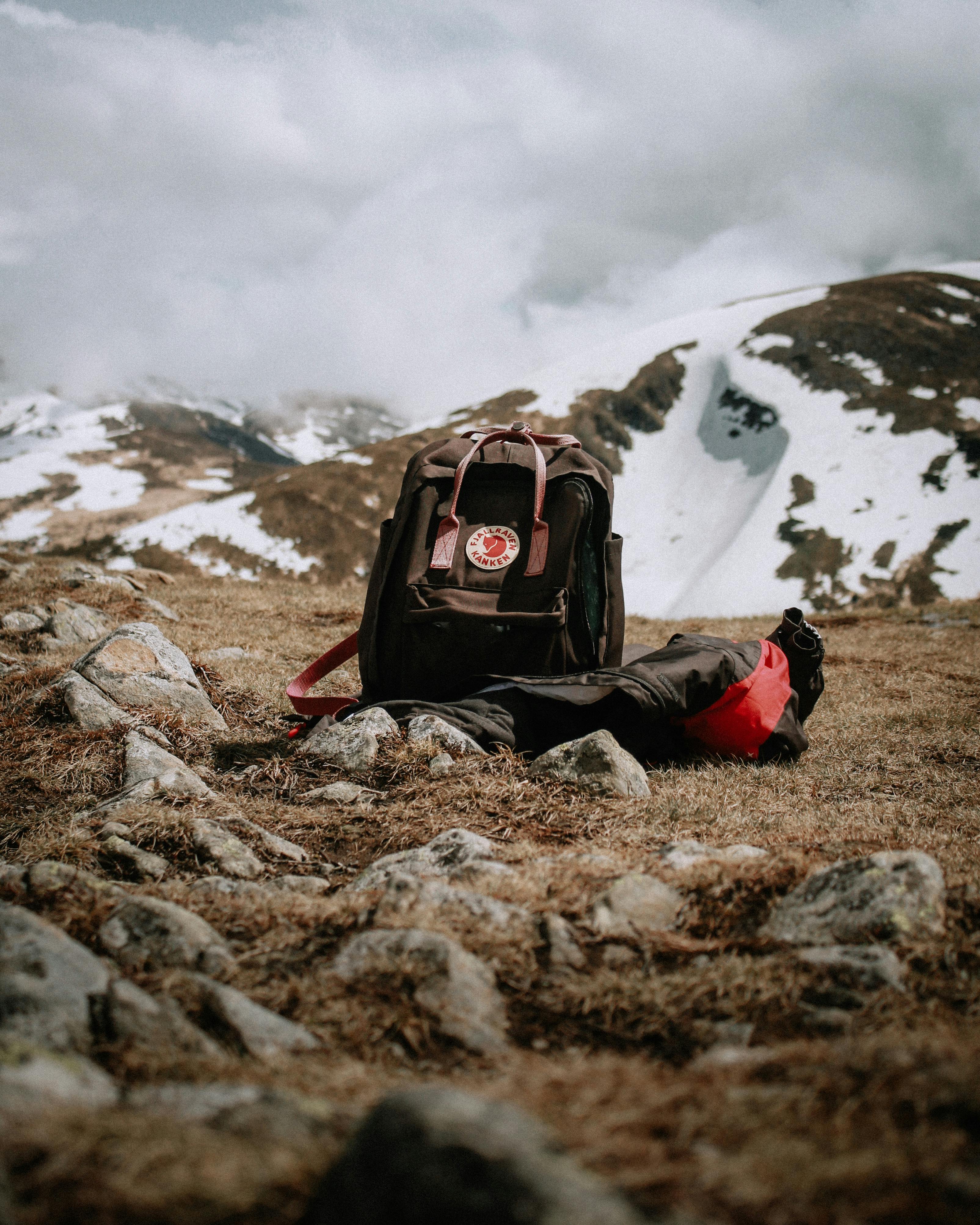
Instead of buying the cheapest option available, calculate the “cost per use.” A backpack that lasts 8 years is often far cheaper long-term than replacing a budget pack every season.
The Materials That Separate Great Gear from Disposable Gear
If You Ignore Materials, You’re Guessing
One of the biggest differences between premium outdoor gear and low-quality alternatives comes down to materials.
Here are some signs of durable construction:
Look for These Materials:
- Ripstop nylon for tents and backpacks
- Merino wool for moisture-wicking layers
- Aircraft-grade aluminum for trekking poles
- YKK zippers for dependable closures
- Gore-Tex or waterproof membranes for weather protection
A report from Textile Exchange found that high-performance technical fabrics significantly increase product lifespan compared to low-cost synthetic alternatives.
Outdoor expert Bear Grylls famously said:
“The more you know, the less you carry.”
Knowing materials helps you buy smarter instead of buying more.
Practical Tip:
Before purchasing gear online, zoom in on stitching, zipper quality, and fabric descriptions. Brands that emphasize materials usually build better products.
Why Weight Isn’t the Only Thing That Matters
Ultralight Gear Sounds Great… Until It Breaks
Many outdoor enthusiasts chase lightweight gear, especially for hiking and backpacking. But there’s a balance between lightweight and durable.
Some ultralight products sacrifice longevity to reduce ounces. While shaving weight can improve comfort on long hikes, extremely minimalist gear may wear out faster under heavy use.
The key is choosing gear designed for your actual adventure style.
Questions to Ask Yourself:
- Weekend camper or thru-hiker?
- Mild weather or extreme conditions?
- Occasional use or year-round use?
Professional climber Alex Honnold has emphasized the importance of trusting your equipment completely when outdoors.
Practical Tip:
If you camp a few times per year, prioritize durability over ultralight performance. Your gear will likely last much longer.
The Hidden Features Most Buyers Overlook
Tiny Details Reveal Big Quality Differences
Sometimes the smallest features reveal whether gear is built to last.
Here’s what experienced outdoor buyers check first:
Signs of High-Quality Construction:
- Double-stitched seams
- Reinforced stress points
- Weather-sealed zippers
- Strong buckles and clips
- Replaceable components
- Warranty coverage
According to customer behavior research from Statista, buyers increasingly value warranties and repair programs when choosing outdoor brands.
Well-designed gear also tends to be easier to repair, extending its lifespan dramatically.
Practical Tip:
Check whether replacement parts are available before purchasing expensive gear like tents, packs, or trekking poles.
Maintenance Is the Secret Nobody Talks About
Even Premium Gear Fails Without Care
Here’s the truth: even the best outdoor equipment won’t last if it’s neglected.
Simple maintenance habits can double the lifespan of your gear.
Essential Maintenance Habits:
- Dry tents completely before storage
- Clean mud and dirt from zippers
- Store sleeping bags loosely
- Reapply waterproof coatings yearly
- Avoid prolonged sun exposure
The American Hiking Society recommends regular gear inspections to prevent failures during outdoor trips.
As naturalist John Muir once wrote:
“In every walk with nature, one receives far more than he seeks.”
Taking care of your equipment helps ensure you can keep exploring for years to come.
Practical Tip:
Create a simple post-trip routine checklist to inspect and clean all gear immediately after every adventure.
Smart Outdoor Buyers Think Long-Term
Durable Gear Is an Investment in Better Adventures
Buying quality outdoor gear isn’t about spending the most money. It’s about spending wisely.
When your equipment lasts:
- Trips become less stressful
- Safety improves
- Comfort increases
- Replacement costs decrease
- Outdoor experiences become more enjoyable
Reliable gear allows you to focus on the adventure instead of worrying about equipment failures.
Whether you’re preparing for your first camping trip or upgrading your outdoor setup, choosing durable equipment pays off every single time you hit the trail.
At Rugged Peak Supply, outdoor enthusiasts can find dependable gear designed for real-world adventures and long-term performance.
Final Thoughts
Great outdoor gear tells a story. Every scratch on a backpack, every worn boot sole, and every weathered tent pole represents memories earned outdoors. The right equipment doesn’t just survive adventures — it becomes part of them.
By focusing on quality materials, smart construction, proper maintenance, and realistic performance needs, you can build an outdoor setup that lasts for years instead of months.
Because when nature throws challenges your way, dependable gear can make all the difference.